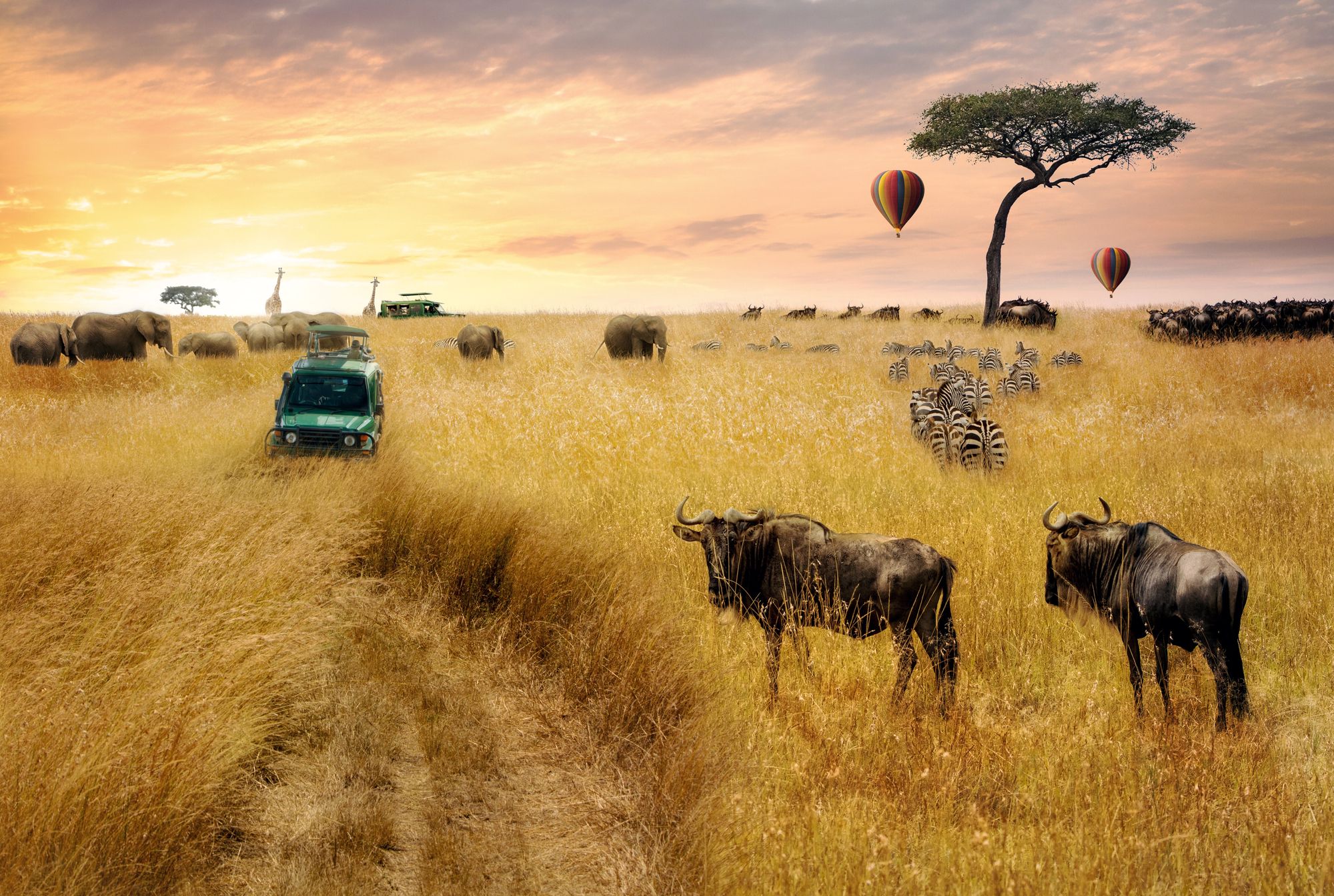
Masai Mara
Above a certain price, you stop buying comfort
Every camp at this level is comfortable. What separates them is access — how few other vehicles reach your sighting, and whether the guide beside you is yours alone.
The argument
Three things money buys. Two it cannot.
Thread count and plunge pools are table stakes above US$650 a night. They are not what distinguishes a very good Mara trip from an ordinary expensive one.
What does: the number of vehicles that can reach your sighting, whether your guide is dedicated to you, and whether you control your own day.
- Fewer vehicles — bought through conservancy bed caps, not through the camp
- A guide who is yours for the stay, not allocated each morning
- Time: your own vehicle, no fixed mealtimes, no waiting for strangers
- It cannot buy animals. No camp can promise a crossing or a leopard.
- It cannot buy weather, or a quieter migration.
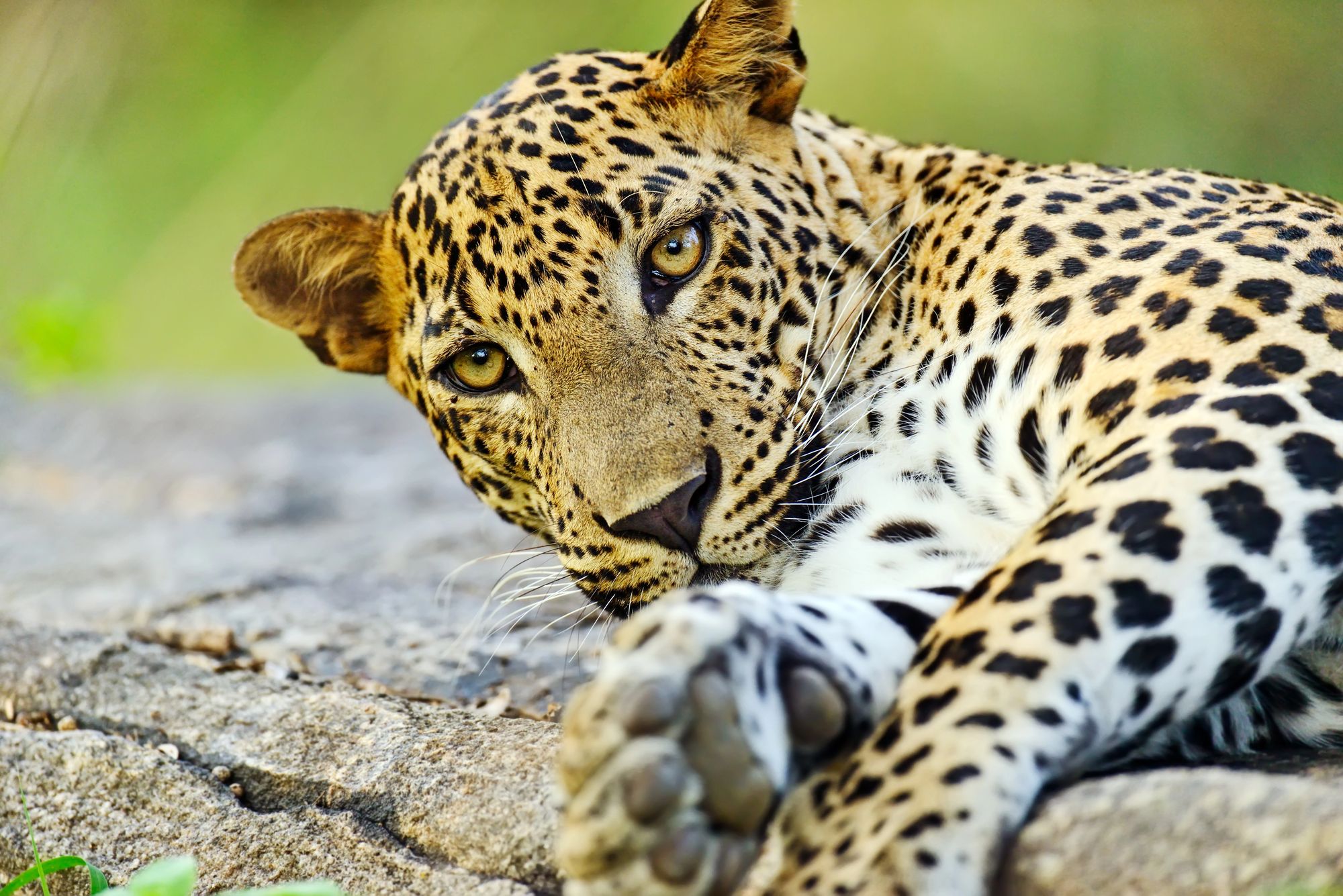
Four ways to spend it well
Where the money goes furthest
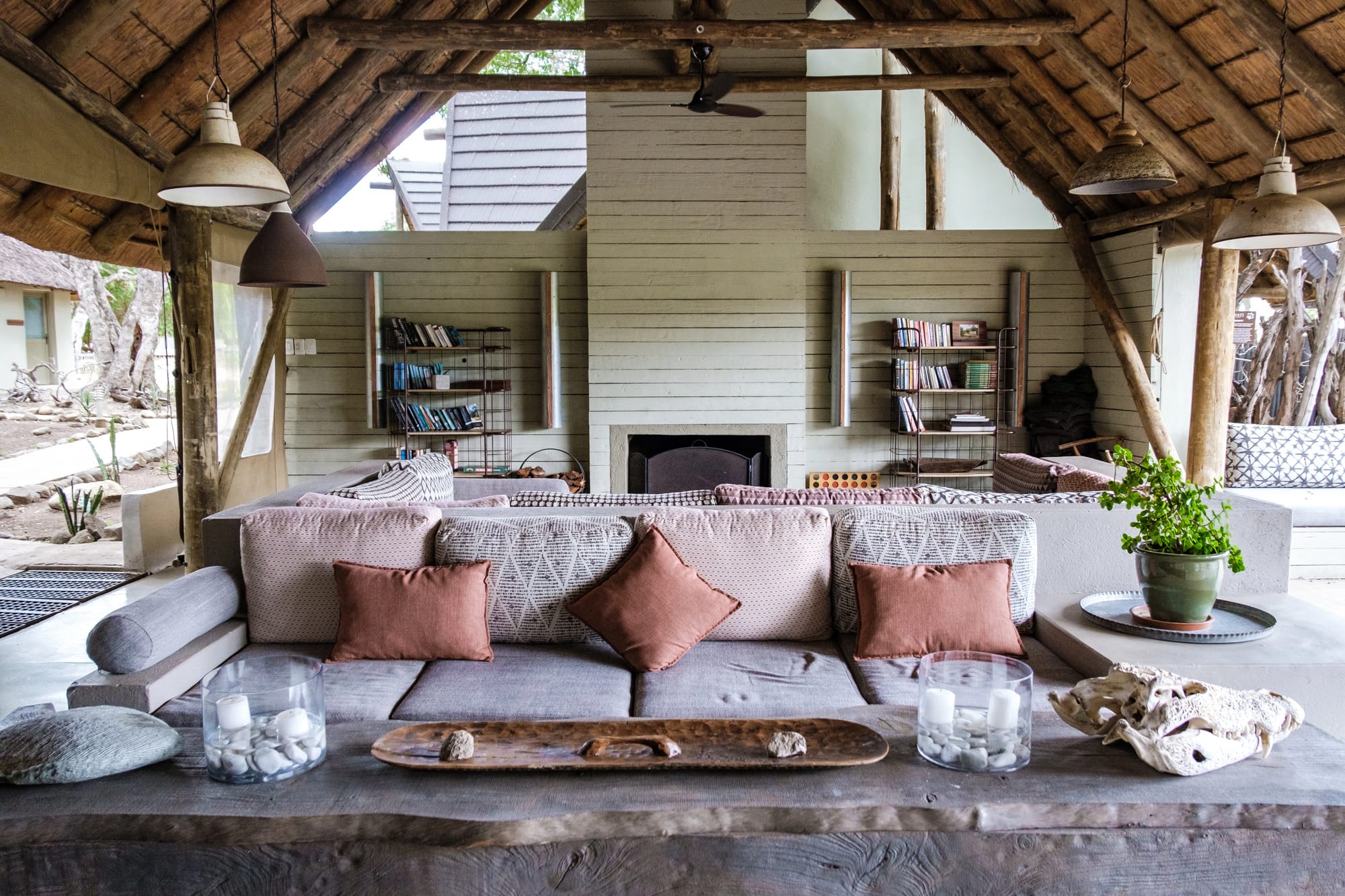
Exclusive use
A whole house or camp, with your own cook, guide and vehicle. Cheaper per head than you would guess above six people.
How the maths works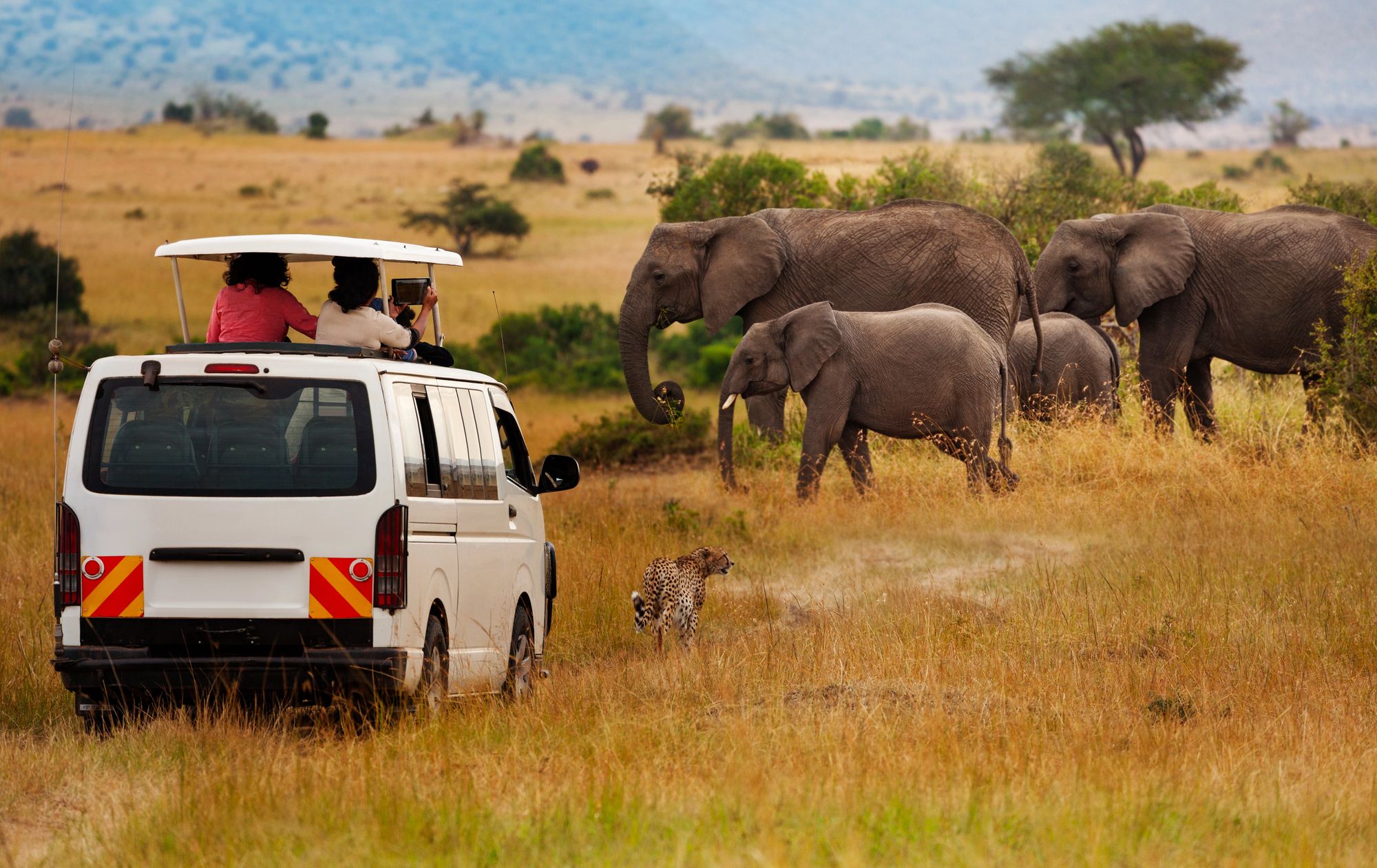
Private guiding
One guide for the whole trip, who flies with you. The upgrade repeat visitors say they will not now travel without.
What changes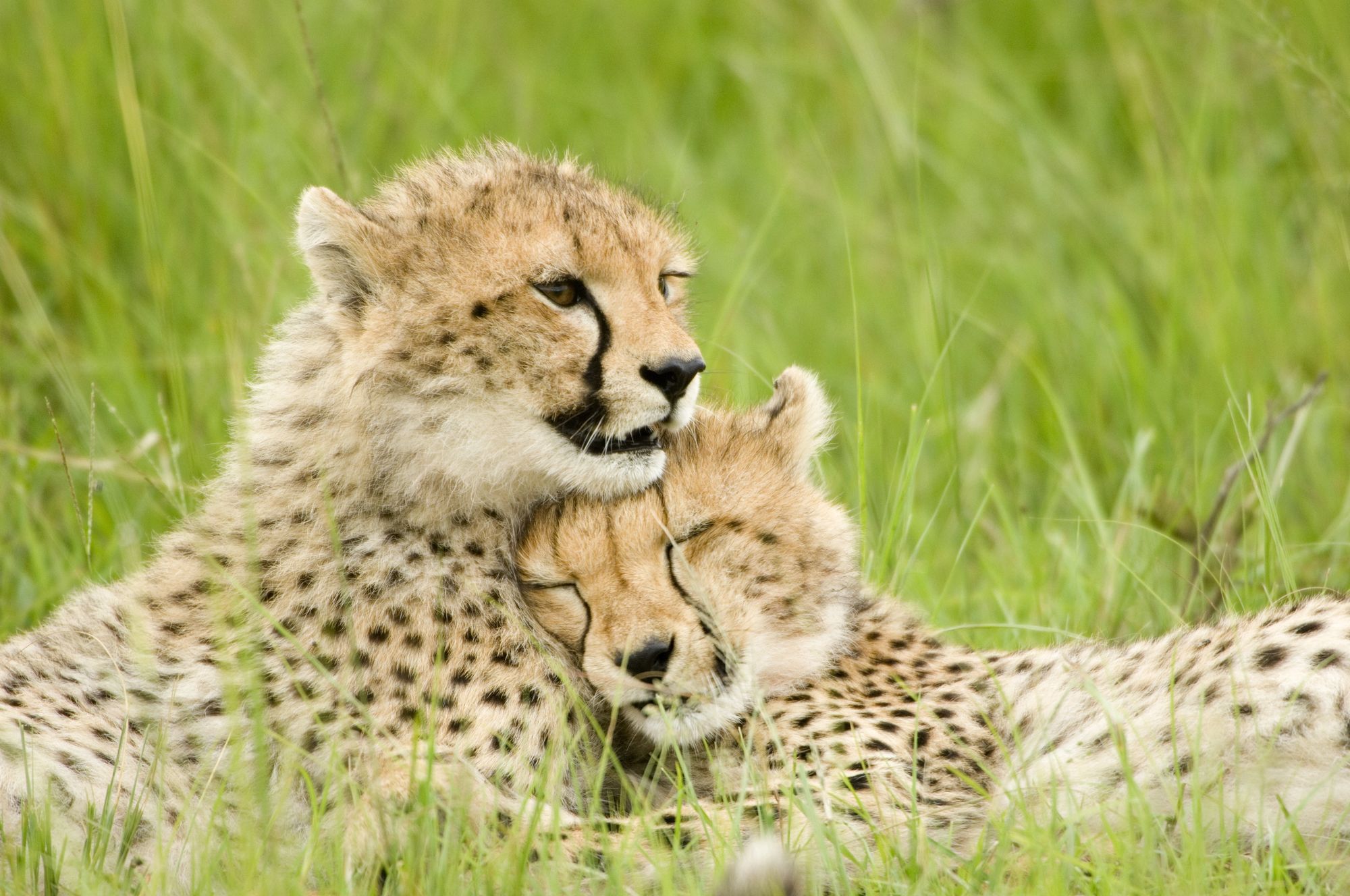
The quietest conservancies
Bed density is the binding constraint on a Mara experience. Here is how to find the real number.
Ask the right question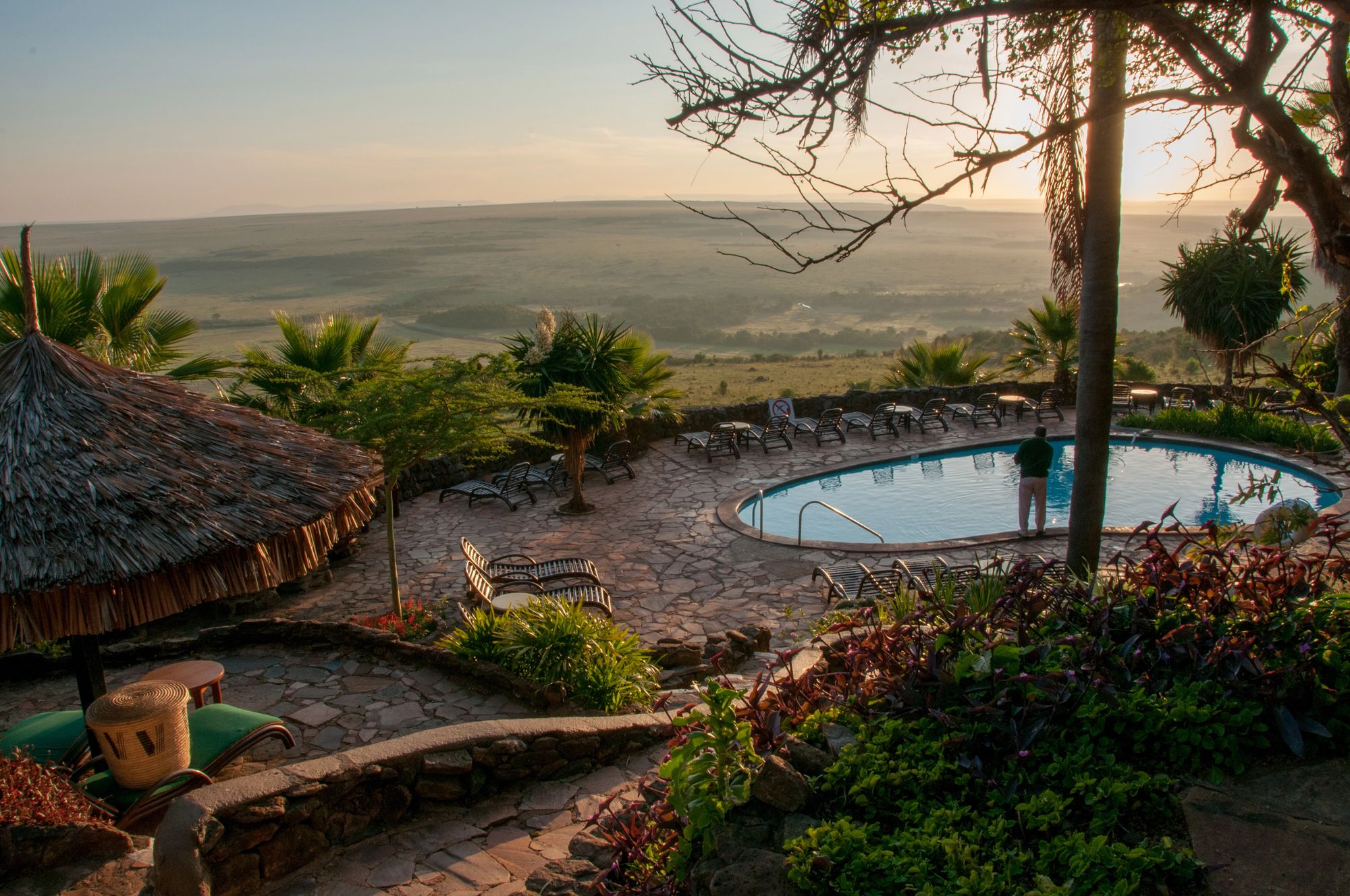
Honeymoons
What actually makes a Mara honeymoon work, and the two things couples most often regret.
Read the guide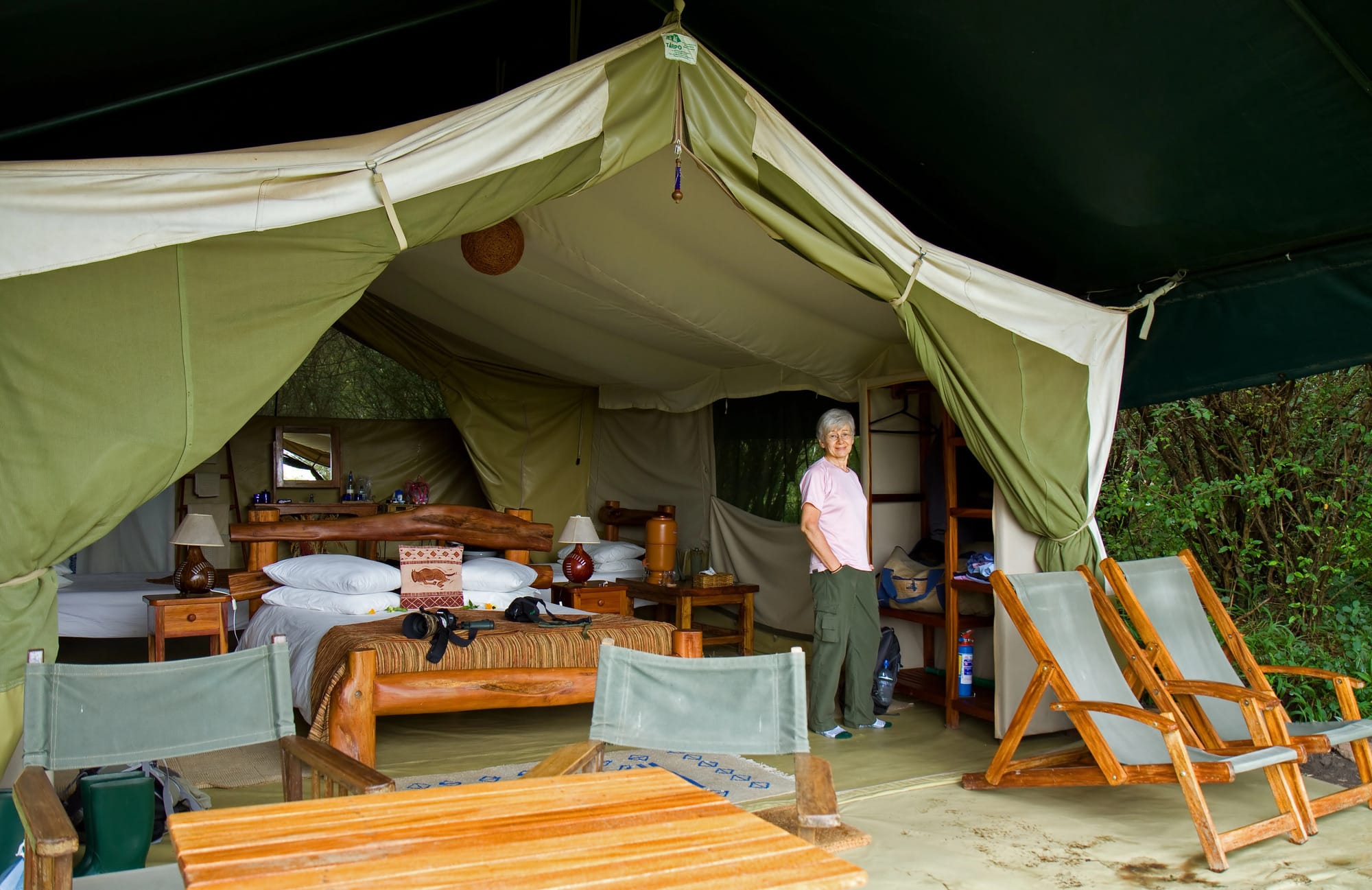
What it costs
What US$700, US$1,200 and US$2,000 a night each buy, and the extras never in the rate.
See the ranges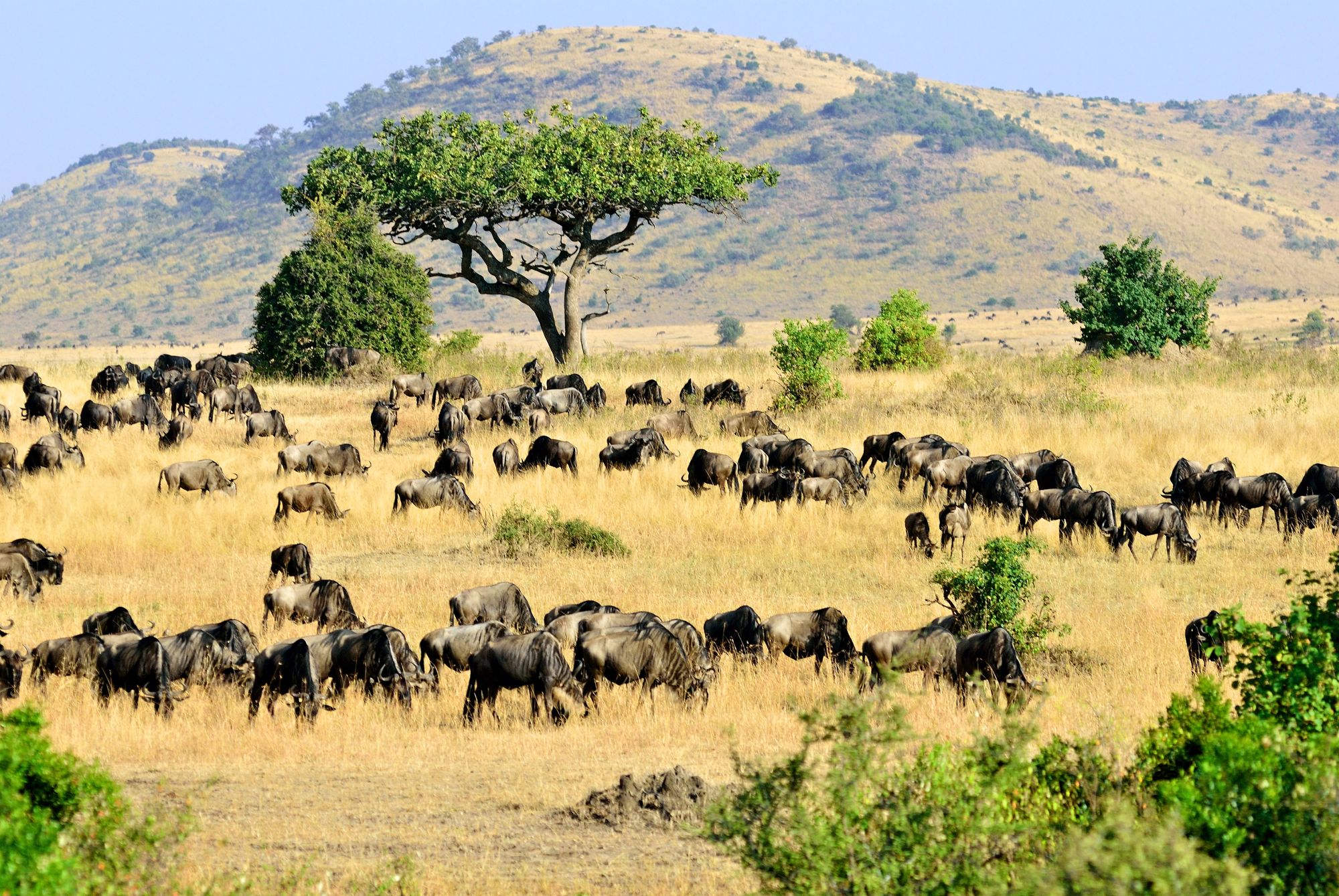
When to come
The top camps sell out twelve months ahead for the migration months. Plan accordingly.
Migration guideFree download
The Top-End Mara Brief
What actually separates a US$700 night from a US$1,800 night in the Mara. Written for people who can afford either and would rather not be sold to.
- The three things money genuinely buys, and the two it does not
- Exclusive use: when taking the whole camp is cheaper than you think
- Private guiding — what a dedicated guide changes about a day
- Vehicle density by conservancy, and how to ask for the real number
- The extras that are never in the headline rate
- Eleven questions that expose a camp coasting on reputation
- A worksheet for a party of two, four and eight
No cost, no obligation. We ask for an email so we can send it and, if you want it, follow up once.
In their words
What travellers say
No reviews are shown because none have been supplied yet. Add them to
shared/placeholders.mjs → testimonials, using the traveller's real
name, month of travel and written permission. This block renders automatically once the
array is non-empty. Nothing invented is ever published here.
Before you ask
The questions we get most
Is the most expensive camp the best camp?
No, and the correlation is weaker than you would expect. Price at this level reflects land lease, bed density, whether the camp is owner-run and how much it has spent on its own reputation.
A camp at US$900 in a low-density conservancy with a dedicated guide will usually give you a better week than one at US$1,400 trading on a name.
Is exclusive use only for large groups?
It works from about six people. Below that you are paying for empty rooms, though some properties will do it with a supplement if you want the privacy badly enough — honeymooners sometimes do.
Above eight it is frequently cheaper per person than booking the same party into a camp.
What does a private guide actually add?
Continuity. A camp guide meets you at 6am on day one knowing nothing about you. A private guide has already learnt what you care about, and by the third morning is planning the day around it rather than around a standard circuit.
It is a real cost. It is also the thing repeat visitors most often say changed the trip.
How far ahead should I book?
For July to October — the migration months in the Masai Mara — six to twelve months is normal, and the best small camps sell out first. Christmas and New Year book up just as early.
For the shoulder months, three to four months is usually comfortable. Inside eight weeks we can still put a very good trip together, but you are choosing from what is left rather than from everything.
Who actually arranges my safari?
This site is a planning guide. When you send an enquiry it goes to Nomad Africa, our partner travel agency in Kenya, who prepare your itinerary and quote and handle the booking, the payments and you on the ground.
You deal with one team from the first email to the airport transfer home.
Start here
Tell us what would make it a success
Not which camp you have seen on Instagram — what you want the days to feel like. We will work backwards to the camps that deliver it.
Our Kenya specialist replies within 24 hours with named camps, a private-guiding option priced separately, and an itemised total.
- Named camps, with the conservancy and its bed density for each
- Private guiding costed as a line item, so you can decide
- Exclusive-use options if your party makes the maths work
- An honest note if a camp you have named would disappoint you
Who answers
Nomad Africa, our partner travel agency in Nairobi, builds and prices every itinerary we send. You deal with one team, on the ground, for the whole trip.
Licence and membership numbers appear here once filled in at
shared/placeholders.mjs → partner. Nothing is claimed until it is verified.
Get your tailored itinerary and quote
Our Kenya specialist replies within 24 hours with a costed plan built around your dates.
More from our Kenya guides
Specialist guides across our Kenya network
Each of these is a focused guide we publish. Same Kenya specialist behind every enquiry.